
I have been enjoying a mushroom feast in Rock Creek Park —- a visual feast.
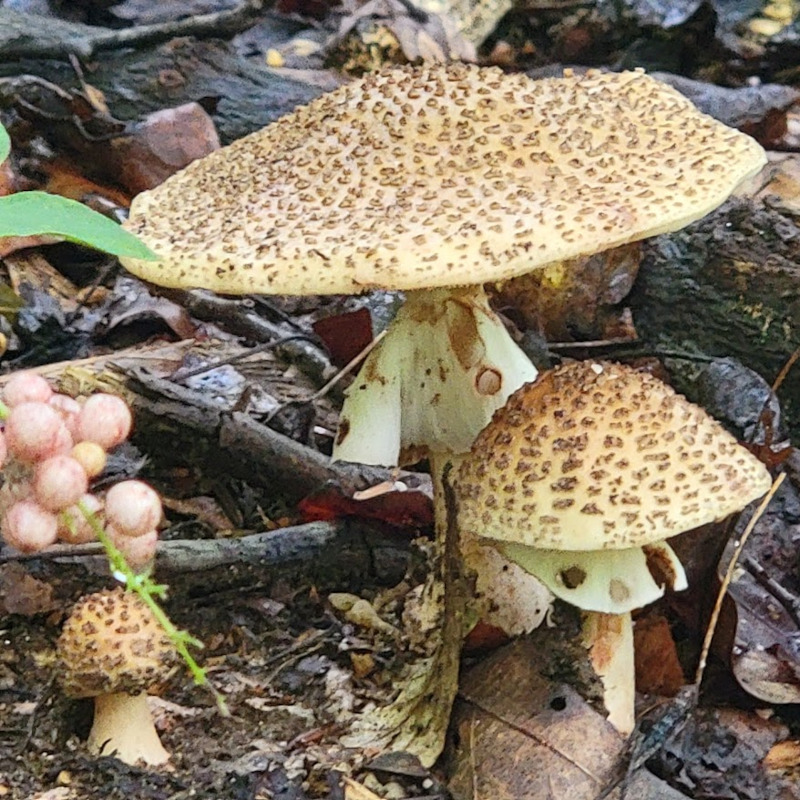
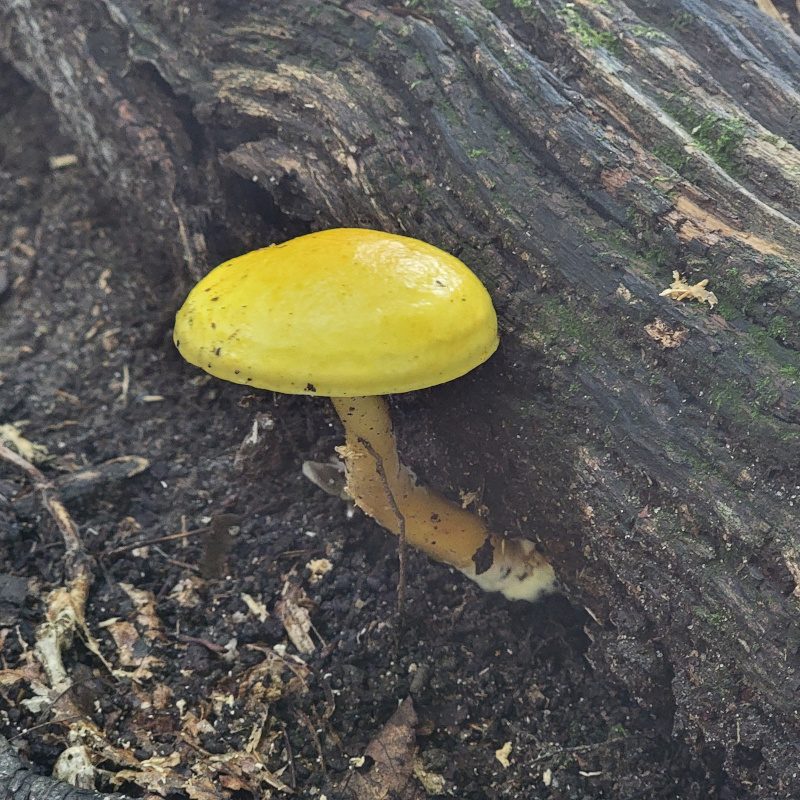
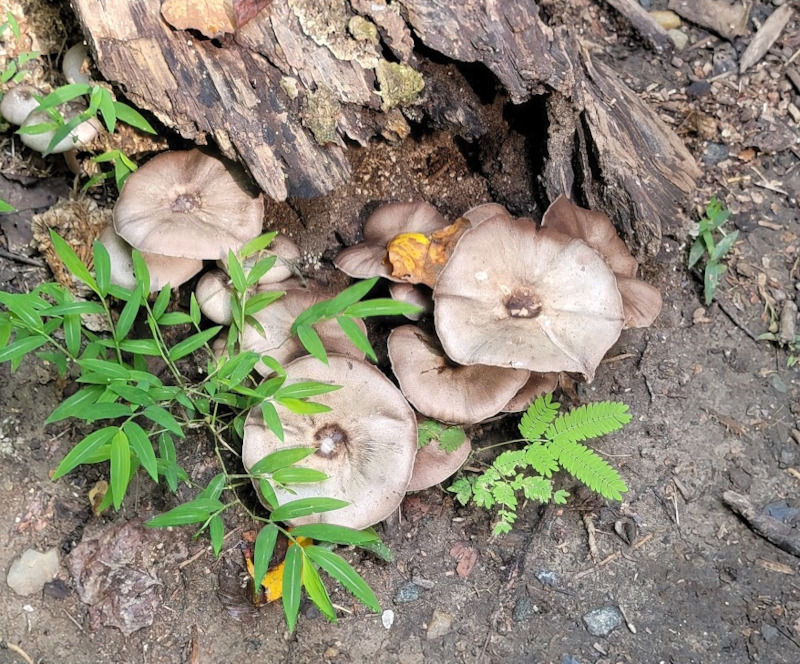
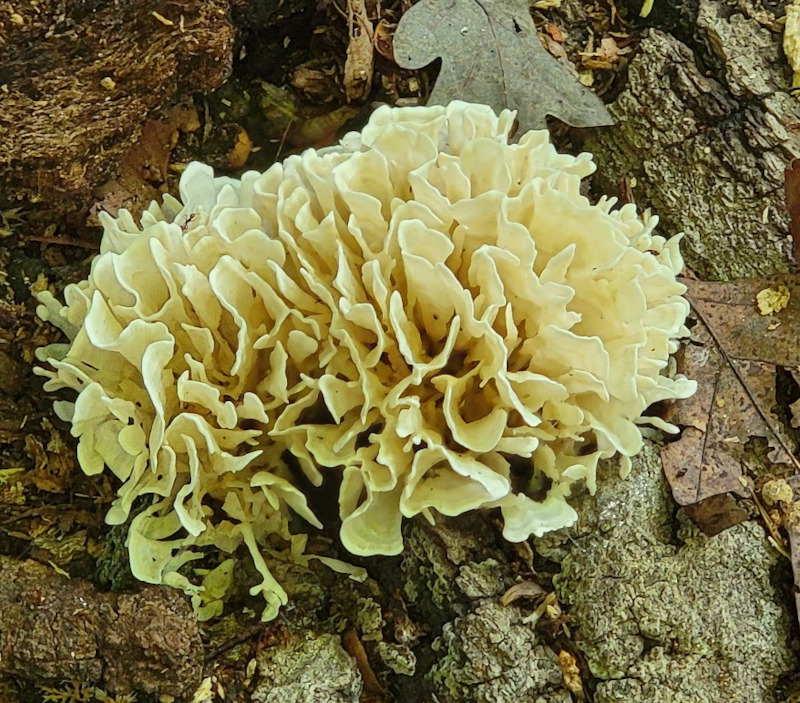
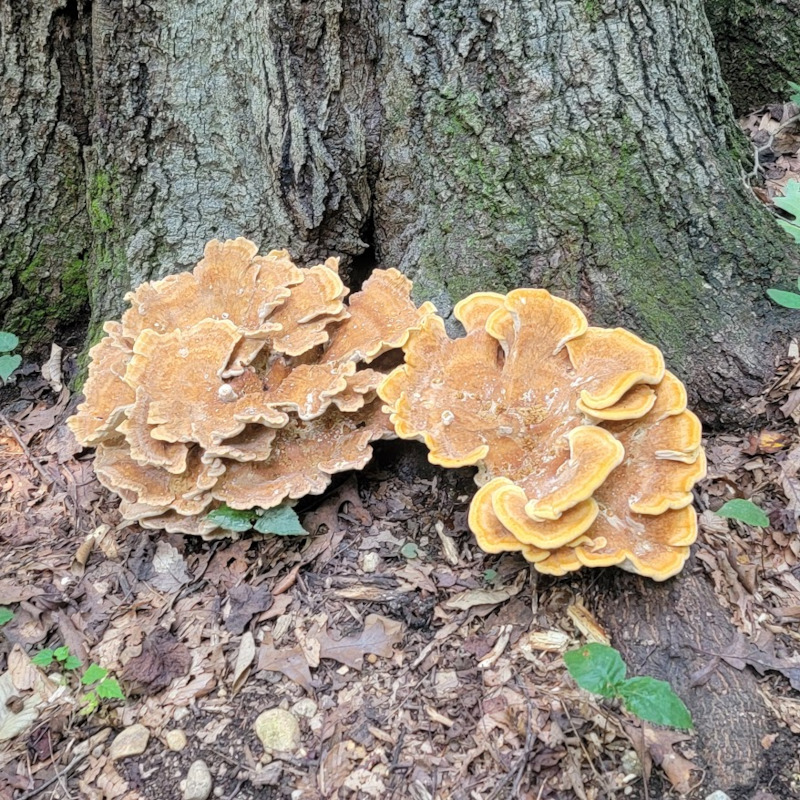
And this sighting practically bowled me over.
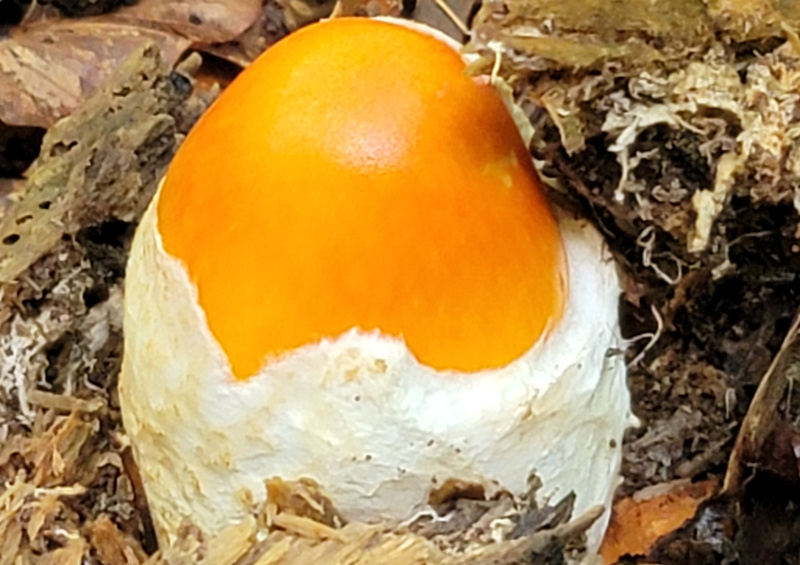
What does this look like to you? What about a yolk inside a hard-boiled egg? It’s a young amanita caesarea.
I have been taking photos of mushrooms and sharing them with you for years, and it’s the first time I’ve seen this species in its very young state. It is bursting out of its protective layer, or volva, a material also known as the universal veil.
I found this specimen along Rock Creek, then along the lower trail in the Soapstone Valley I found the same mushroom in various stages of growth and decay.
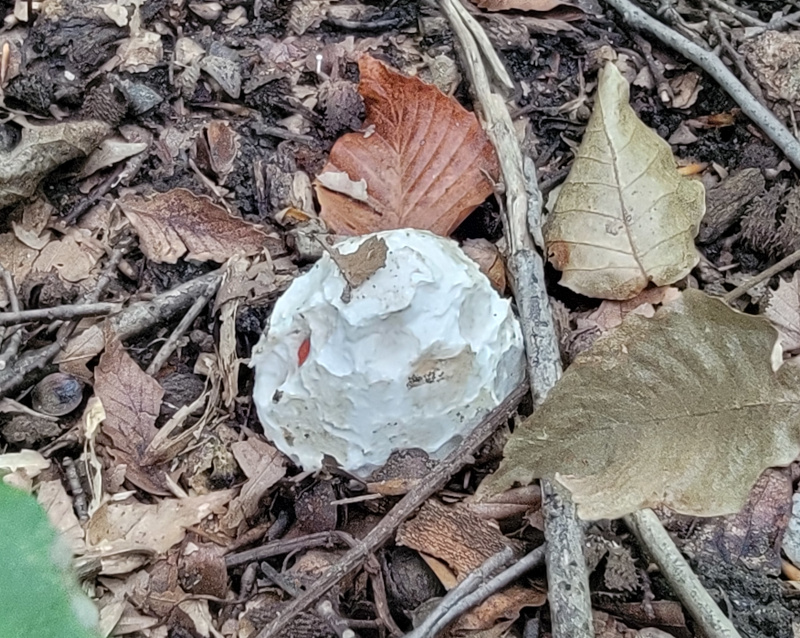

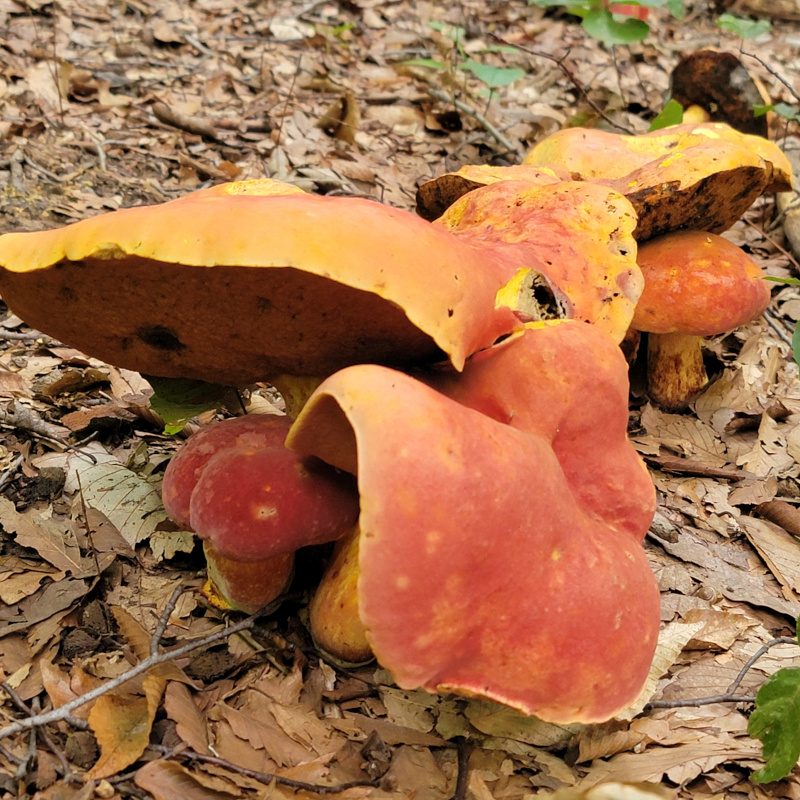
In her book, “Finding the Mother Tree,” Suzanne Simard explains the life cycle and the larger role of mushrooms in the forest ecosystem. (For those interested, here she is at a 2021 Politics and Prose author talk.
Just like any other life form, they become a source of nourishment for other life once they accomplish their mission: sending out spores to replenish and grow their source — the underground mycelium network that acts as the communication network for trees.
This amanita caesarea has become food for slime mold.
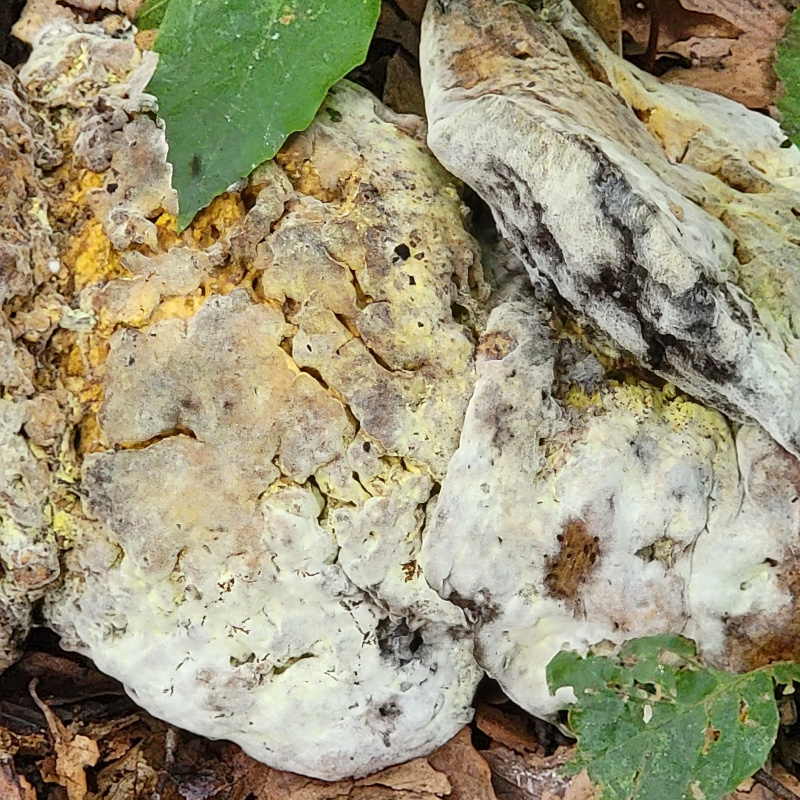
I leave you now with another unusual sighting, one that happened to pop into my field of vision. It was very small, tucked within a log.
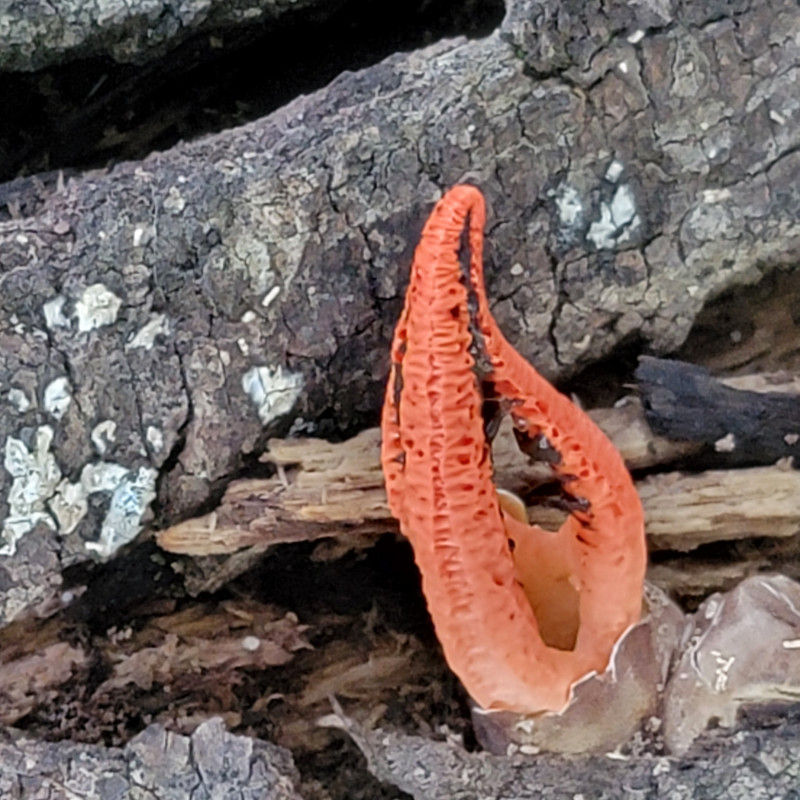
It is a pseudocolus fusiformis, or stinky squid. And yes, it supposedly stinks, but I did not smell anything as I got very close to take the photo. The stench is meant to attract insects that help it disperse its spores.
I highly recommend a walk along a trail in Rock Creek Park to gaze upon this feast of mushrooms. They are easily seen from the path, and sometimes even invading it.
Marlene, magnificent photos; so exciting. I am sharing with my children. Two will be here the end of August and I hope they can see these species. Thank you. Thank
you.