
by Kathy Sykes
Area park managers and stewards have been telling us for years that parks and forests are not suitable places to dump pumpkins and Christmas trees.
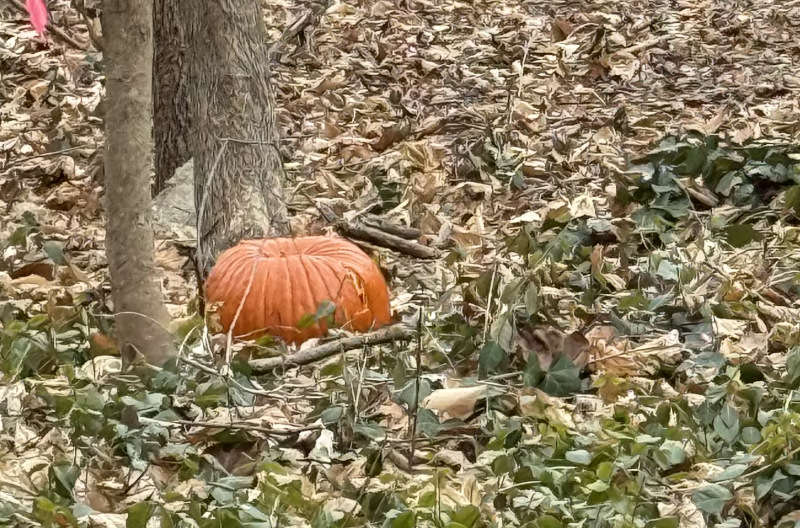
The people who do this are likely well-intentioned, and may have heard that the practice benefits birds and other animals. But this is not the case. Dumping Christmas trees, pumpkins and gourds, and food and landscape waste in Rock Creek Park and its tributary parks is illegal because of the harms they can do to wildlife.
Problems with pumpkins
Farm- and garden-grown pumpkins are not a natural food source for wild animals. Plus, rotting pumpkins, moldy and fermenting, can spread illness and gastrointestinal diseases. And if decorated with paint and glitter, or candles were burned inside, the pumpkin flesh can be toxic to animals. The pumpkins also attract rats.
Native plant life can also be harmed. As whole pumpkins decompose, they can alter the soil chemistry: adding excessive levels of nutrients, creating an oxygen-blocking layer, depleting nitrogen, and releasing acids that temporarily make the soil more acidic. Pumpkins – whether uncarved or cut up – also trap moisture and become fertile ground for fungal diseases like gray mold (Botrytis cinerea). Gray mold can infect hundreds of plant species, including many common native trees, shrubs, and herbaceous perennials. There are no known resistant plants to this mold.
In addition, if the pumpkins are not organically grown, they can introduce pesticides that can lead to more fungal issues and stress native plants.
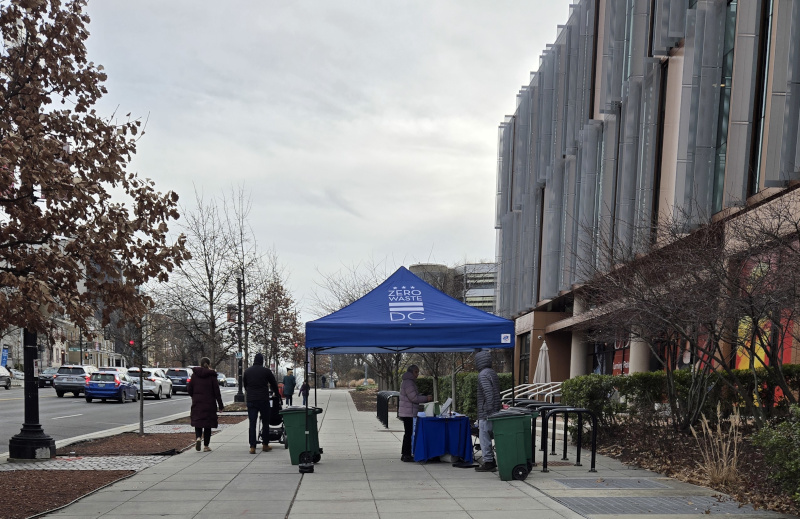
How to dispose of your pumpkins: Pumpkins are high in water and sugar content, decompose quickly, and can make excellent additions to your own compost piles. And there are several compost drop-off sites in the District, including Zero Waste DC’s has 24/7 Food Waste Smart Bins, and staffed farmers market and community kiosks.
The trouble with Christmas trees
Discarded Christmas trees, left in natural areas, also disrupt ecosystems. Piles of trees deprive native seeds and seedlings of sunlight, preventing new forest growth. This dumping also prevents the normal process of transforming dying native trees into mulch or habitat.
Christmas trees can be carriers for invasive insects and pathogens such as fungi. And they are highly flammable, adding wildfire fuel during dry seasons. DC experienced the driest November on record, and the severe drought trend continued in December.
Where to take your trees: The DC Department of Public Works offers curbside collection to single-family homeowners and residents of small apartment buildings (three or fewer units) through February 28th. For everyone else, DC provides three designated collection and drop-off locations, including the Guy Mason Recreation Center (3600 Calvert Street NW). It’s open weekdays from 8 a.m. to 4 p.m.
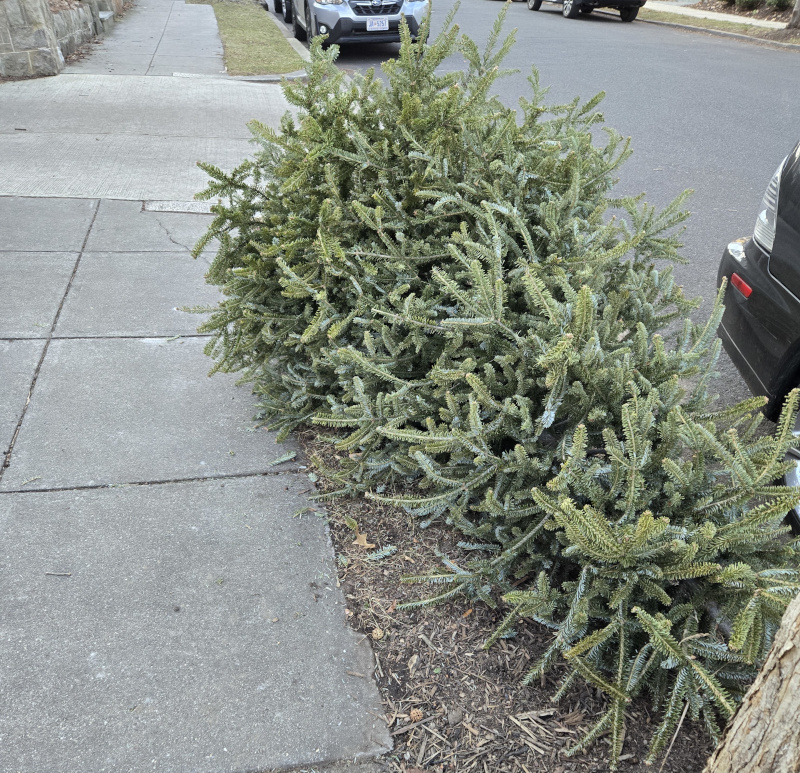
Also, check with local schools. Murch Elementary, for one, is hosting its annual tree mulching event on Saturday, January 10th.
Another way to protect local forests: Volunteer with Kathy Sykes and her fellow “weed warriors” to remove harmful invasive plants. Kathy’s Broad Branch and Reservation 630 West cleanups are on the Rock Creek Conservancy calendar.
Discover more from Forest Hills Connection
Subscribe to get the latest posts sent to your email.