
by Jeremy Cohen
Even with a busy practice as an internist and geriatrician, Ruth Kevess-Cohen, who is my amazing mother and a Forest Hills resident, has taken on Esperanto.
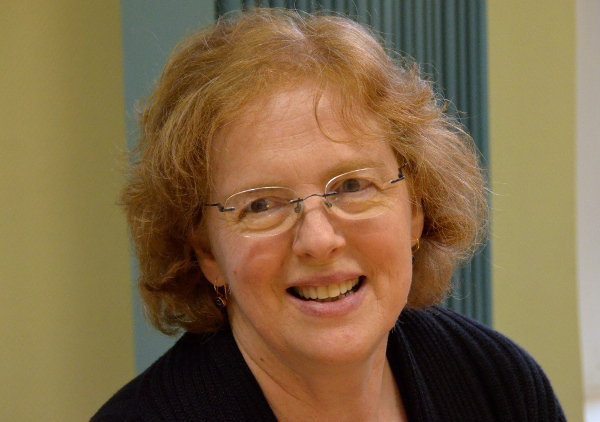
And if you know my mother, she does not do anything halfway. Esperanto is a rapidly growing language with approximately 2 million speakers worldwide, though it is unfamiliar to many, and she is spreading the word. She not only speaks the language, but also played a central role in developing a free online Esperanto course at Duolingo.com, which she co-leads.
Esperanto was created by a Polish physician, Dr. L.L. Zamenhof, and released to the public in 1887. He intended it to be a universal second language for the world, to help people communicate across language barriers. It has flourished against all odds, and is enjoying a renaissance around the world, from the United States to South America and Europe, and to China and Australia.

Putting in a ton of hours, she constructed the course with Chuck Smith of Berlin and a team of dedicated Esperanto speakers, and she now makes changes and does maintenance for the course. Six months after it launched, the course already has 215,000 users. The more than 100 million people worldwide who use Duolingo to learn languages see Esperanto as an option among other languages, which greatly increases its exposure.
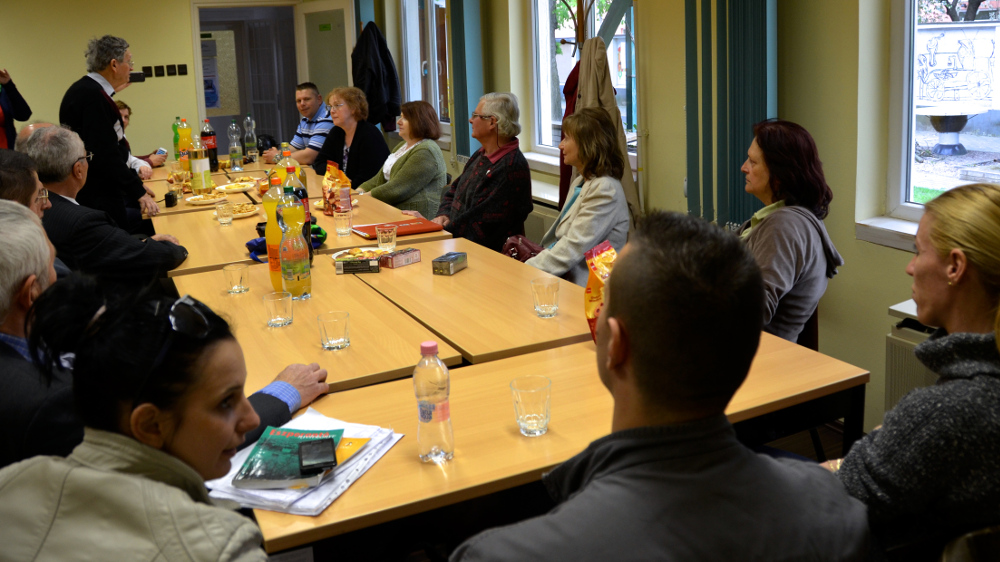
It’s been an adventure for her to say the least, from traveling to Hungary and staying with an Esperanto-speaking family, to reading Esperanto novels and attending meetings at home and abroad.

The vocabulary is similar to European languages, but the grammar is simpler, and there are no verb conjugations, because the language is designed to be regular, with no exceptions. In addition, you can easily sound out all words in Esperanto. Some familiar sounding words are “jes” (yes), “kato” (cat), and “helpi” (to help). As a native English speaker, this makes speaking, reading, and writing Esperanto much easier to learn. I would definitely suggest this language to everyone, including anyone who has had difficulty learning a second language, or people who wish to expand their horizons.
Esperanto culture consists of great music, such as Jonny M’s catchy “Dankon” (above), original literature and most importantly, very open-minded, friendly individuals. There are rock bands, music videos, meetups worldwide, and an enthusiastic population of speakers of all ages. There are Facebook groups, Google hangouts, and even blogs. Traveling is made easy because of the long tradition of welcoming other Esperanto speakers and putting them up for free.
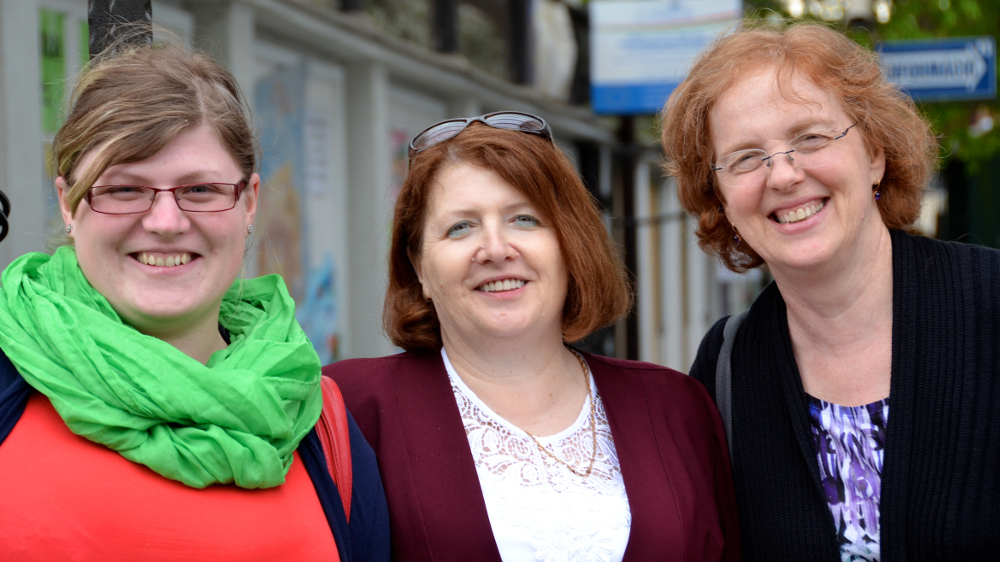
Although Esperanto may never become the universal language that it was intended to be, Ruth Kevess-Cohen’s investment in this course will not only help insure Esperanto’s survival as a language and culture, but expand it.
Discover more from Forest Hills Connection
Subscribe to get the latest posts sent to your email.