
by Marlene Berlin
Keeping the new-and-improved Soapstone Creek and trail in good working order requires a lot of tender, loving care. Or perhaps more accurately, a lot of hardcore maintenance.
In case you forgot about the long Soapstone Park closure for DC’s sewer rehabilitation project, an important element was rebuilding the creek and trail to better manage stormwater runoff and resist damage to the new-and-improved sewer infrastructure.
August saw a lot of activity on the stormwater maintenance front.
Clearing out the Soapstone Culvert
On Aug. 9 and 15, DC Water sent heavy equipment and a crew of about eight to clear out the culvert where Soapstone meets Broad Branch Stream. They had a big job. Materials carried downstream during early August downpours created a literal logjam at the culvert.
Rerouting the Soapstone Trail
On Aug. 26, I bumped into Alex Sanders of the Potomac Appalachian Trail Club. He is the club’s district manager of trails in DC’s Rock Creek Park.
Sanders told me that he would be bringing a volunteer crew that Saturday to move part of Soapstone Trail farther away from the stream, to further protect the trail from erosion.
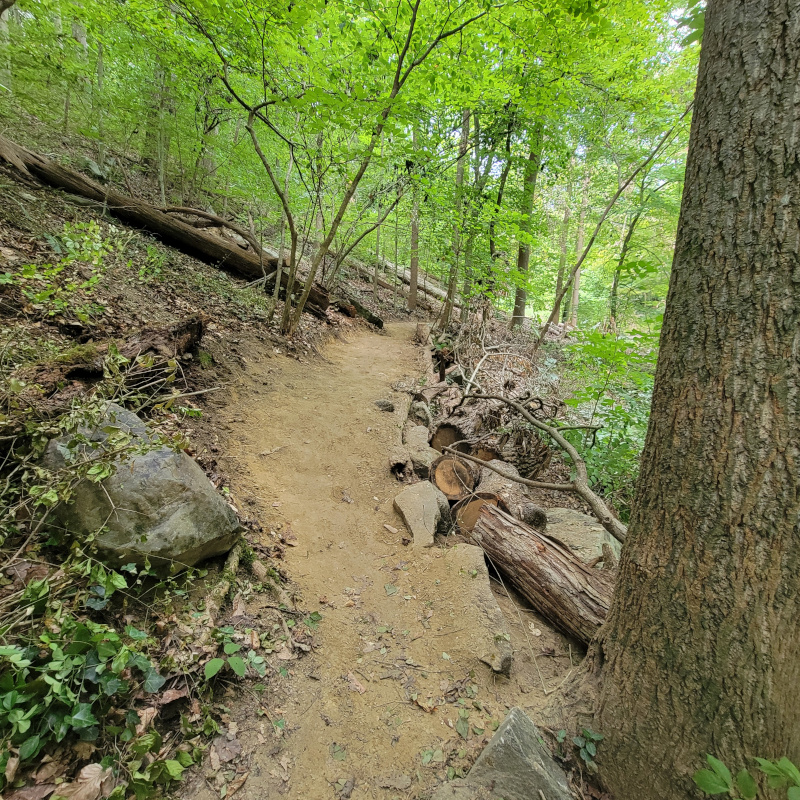
And that’s what they did.
Mitch Baer, the PATC Soapstone Trail supervisor, was out earlier in the week clearing plants that were taking over parts of the trail.
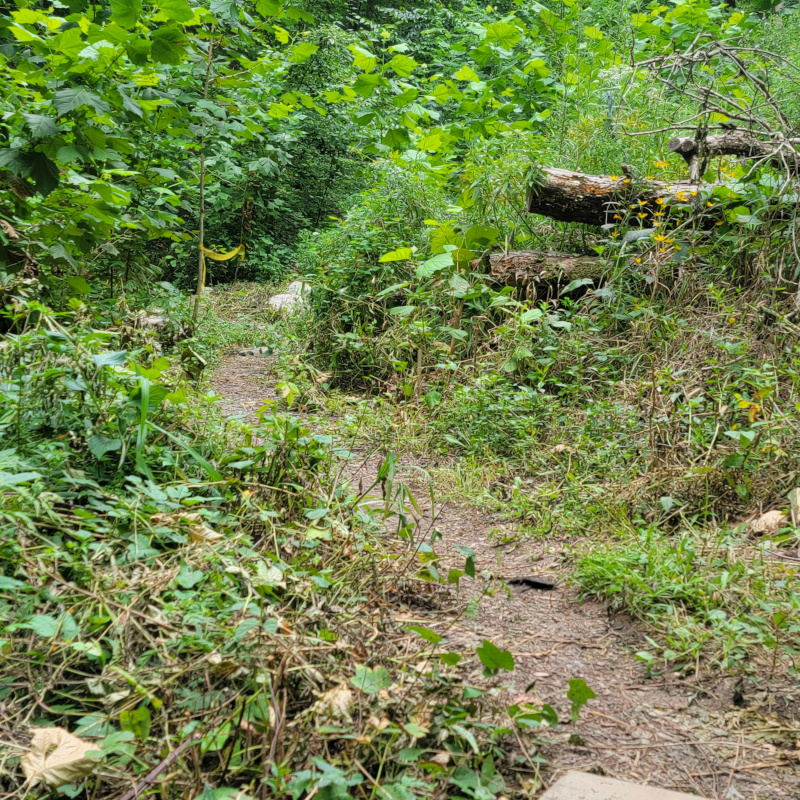
The work of these volunteers and of National Park Service crews never ends. A large, fallen tree limb blocked the trail near Albemarle Street on Sunday, Aug. 30.
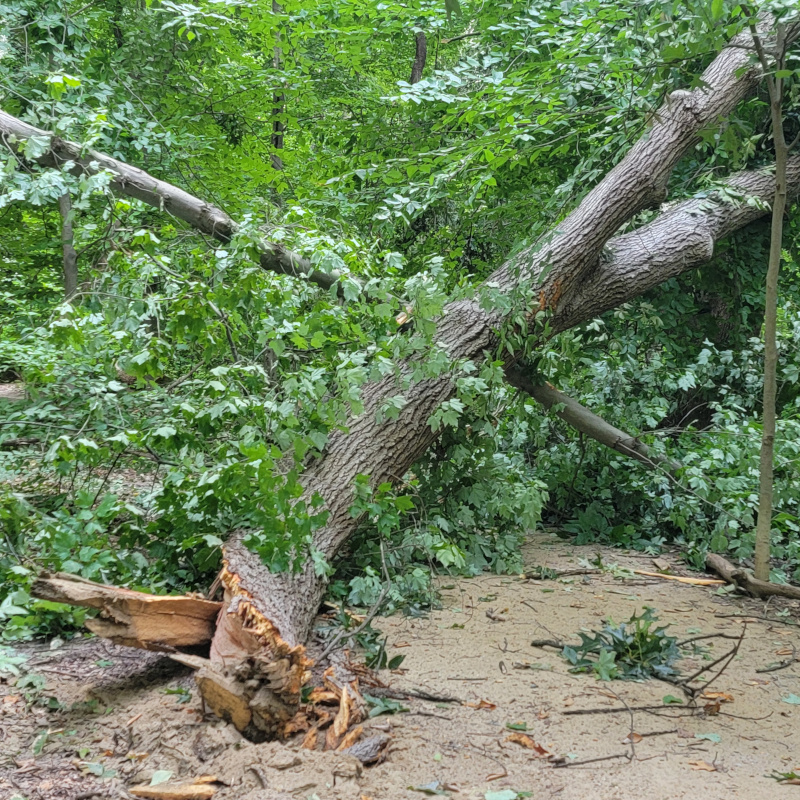
Thanks to them, tree removal typically happens quickly in these situations.
Repairs at the Linnean gully
At the end of one of my hikes that same week, I met a contractor coming out of Linnean gully, the site of another recent stormwater management project running between the creek and the Linnean Avenue dead end north of Soapstone Park.
The gully is designed so stormwater from surrounding streets is routed through a series of pools, and the contractor told me he had been inspecting work done recently to stabilize one of those pools.
Matt English of the DC Department of Energy and the Environment oversaw the rebuilding of the gully in summer 2025. In an email to Forest Hills Connection, he explained the latest maintenance work, completed on Aug. 25:
DOEE often creates contracts for restoration projects with several years of establishment monitoring and maintenance, which allows us to observe conditions and to make adjustments to improve function.
DOEE and the design-build contractor for the Linnean Gully project noticed that there was some movement of smaller rocks at the bottom of one of the cascades in the project.
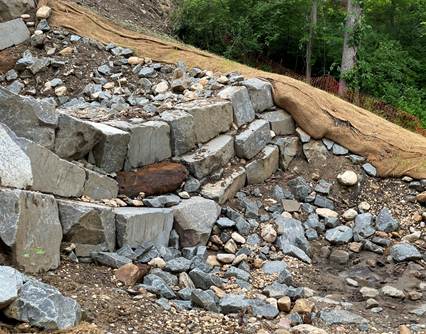
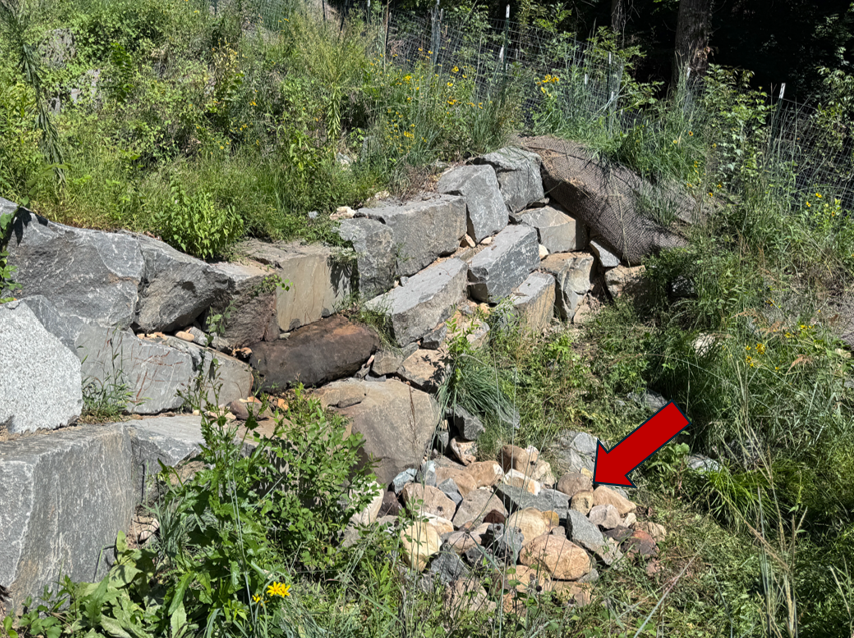
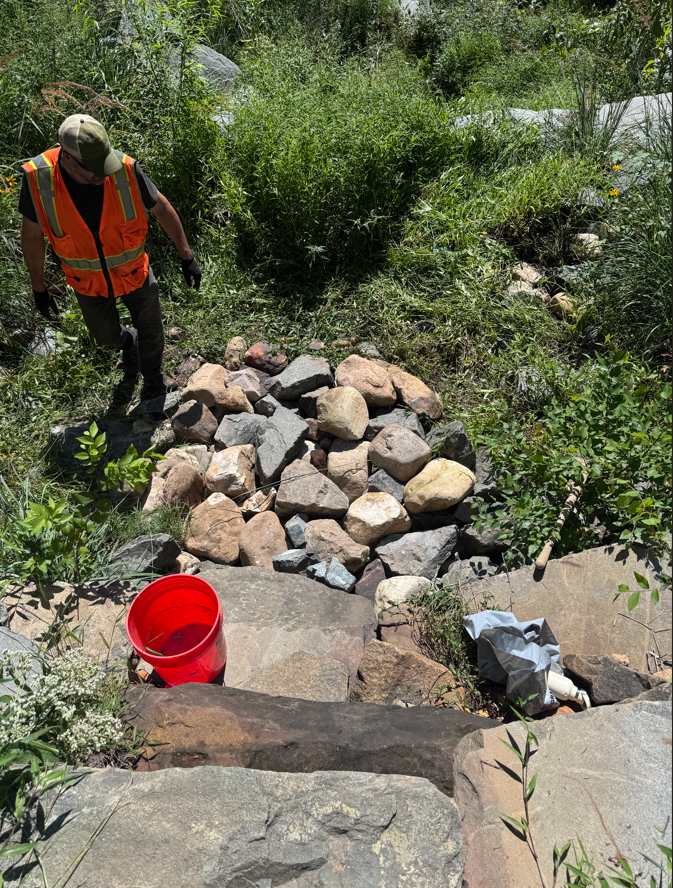
To stabilize the site, our contractor created a large pile of cobble at the base of the cascade, which will dissipate the energy of the stormwater flows coming down the cascade.
Below you can see a photo of the cascade after it was initially constructed in 2025 as well as a photo of the same cascade after the enhanced stabilization last week. In the third photo below, you can see the cobble stabilization from a different perspective, looking downstream from the top of the cascade.
Discover more from Forest Hills Connection
Subscribe to get the latest posts sent to your email.