
by Rachel Samuels
How high was your Pepco bill last month?
Utilities are raising rates across the region, and DC residents are paying for dirty, expensive energy that pollutes our air and destabilizes the climate.
There’s good news, though! The DC Council is voting on a solution to lower bills and bring clean, affordable energy to the entire District. The Guiding Renewable Interconnection and Distribution (GRID) Act will literally put the power in the hands of the people of DC.
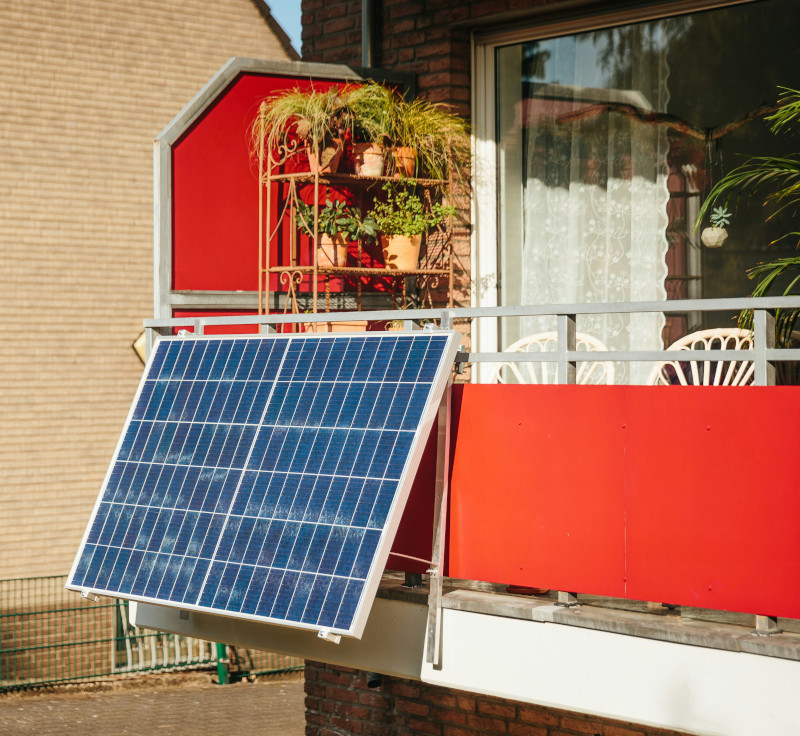
This policy will legalize balcony solar and make it cheaper and easier to install rooftop solar panels. Homeowners and renters will be able to plug a solar panel right into the wall, lowering their bills by drawing less dirty energy from the grid.
Zooming out, for any readers who aren’t steeped in climate science: When we dig up and burn fossil fuels like coal, oil, and gas, they produce toxic chemicals that make us sick, and they emit planet-heating climate pollution, leading to extreme weather disasters that devastate communities in every part of the world.
Our best chance at slowing climate change and improving air quality is transitioning away from fossil fuels and toward cleaner, more affordable energy. Solar and wind produce energy far more efficiently, with no climate pollution and no air pollution. And no company can control the supply of the sun or the wind.
Powering our lives with electricity from clean sources requires a two-pronged approach. If we want to breathe cleaner air and limit the worst impacts of the climate crisis, we need to draw our energy from clean power like solar and wind, with a little help from battery storage. And we need to electrify the appliances in our lives, too. Electric induction stoves can replace gas ovens; heat pumps can replace gas furnaces and clothes dryers; electric vehicles and e-bikes can replace combustion engine cars and trucks.
The GRID Act will make the local clean energy transition much easier. If you have a balcony, a patio, or even a big window, you’ll be able to mount a low-cost solar panel and plug it into the wall. You will save money by generating your own electricity, so you don’t need to buy as much from Pepco. This bill will also incentivize more programs like the DC Sustainable Energy Utility’s Affordable Home Electrification Program to upgrade your heating and cooking systems.
Scaling local clean electrification initiatives has seen rapid success. Balcony and rooftop solar is expanding across the country, starting in Utah and cropping up in 10 other states so far, including Maryland and Virginia. Countries around the world — including China, Germany, Brazil, India, Australia, Japan, and Pakistan — have seen striking results in reducing emissions, pollution, and energy costs.
Here’s the challenge: Oil and gas companies have invested billions of dollars in advertisements and lobbying to expand their profits by covering up their climate impacts and attempting to persuade the public that their products are safe. For instance, be wary of anti-GRID Act text messages and ads from the industry-backed group, “Affordable Reliable Energy Alliance.”
Still, DC is moving climate action forward. The Chesapeake Climate Action Network Action Fund has advocated for the GRID Act at every stage here in DC. They are now asking us to call our council members and ask them to pass this bill with its original language, which will cap shareholder profits and enable Pepco to pay you for feeding energy back to the grid from your battery storage. DC Council is expected to take a final vote on this bill on Dec. 1.
If you care about this planet, the health of our community, and your electricity bills, then you’re in luck. The path to building a brighter, healthier future is just around the corner.
Rachel Samuels has lived in DC for nearly 10 years. She is a frequent hiker on Soapstone Valley Trail, where she met Marlene one auspicious autumn morning. Rachel has previously written at NASA and the Biden White House Office of Science and Technology Policy. She volunteers with The Chesapeake Climate Action Network. This article reflects only her personal thoughts and contributions.
What’s your view? Forest Hills Connection welcomes op-eds about issues affecting the neighborhood. Contact us at info@foresthillsconnection.com for submission guidelines.
Discover more from Forest Hills Connection
Subscribe to get the latest posts sent to your email.