
Like most things in life, gardening is a learning process. Here are five garden mistakes you may be making and what you can do to make your garden healthier.
#1: One-size-fits-all watering
Watering plants correctly can be challenging, and many gardeners have one size fits all watering systems. But plants have different needs.
Lavender and rosemary, two Mediterranean herbs, prefer dry soil and can rot when they’re watered like the rest of the bed. Native plants like swamp milkweed and Joe-Pye weed are different. They evolved in wet meadows and along streams, and they want soil that stays consistently damp.
Grouping plants by their water needs helps alleviate these issues and planting them in the right place in the garden can help reduce watering needs.
#2: Ignoring sunlight and drainage
A sun lover in the shade, or a moisture-loving plant in soggy soil, will struggle no matter how much attention you give it.
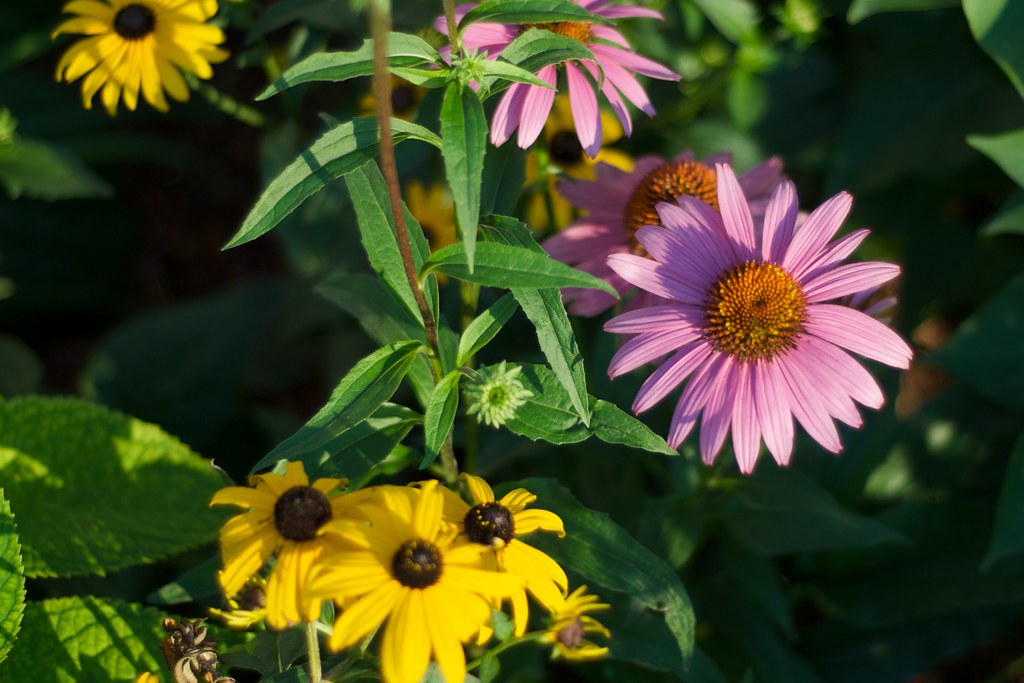
Before you plant, check the light, the drainage, and the mature size of the plant. That one habit saves more time, money, and frustration than anything else I know.
#3: Fighting your soil
Hauling in truckloads of amendments to remake the soil across a whole yard is expensive and usually unnecessary.
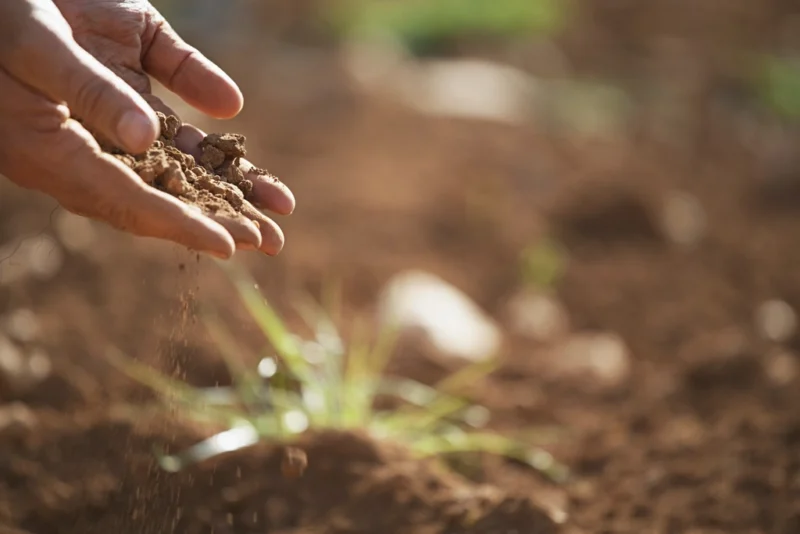
Choose plants that suit the soil you have instead of trying to change it. Clay, sand and loam all have native plants that thrive in each of them.
#4: Planting invasive species
Plants like burning bush, Japanese barberry, and English ivy are attractive, but they escape our gardens and crowd out native plants in nearby parks and stream valleys, including the ones we treasure around Forest Hills.
Serviceberry, Joe-Pye weed, and purple coneflower are native alternatives that feed pollinators and birds rather than displacing them.
#5: Adding too much fertilizer
More isn’t always better. Excess nutrients can burn young roots and lead to weak, unbalanced growth, and most native plants do well in lean soil.
Plant in suitable soil, water thoroughly, and skip the extra feeding.
Simple changes for a healthier garden
The common thread is that gardening goes better when we work with a place instead of against it. Right plant, right place, healthier habitat.
I highly recommend a slow walk through your own yard this fall, a good time to see what is thriving and what is struggling. The plants will usually tell you what they need, and the fixes are simpler than you might think.
 Erica Carlsson is a conservation professional and the owner of Carlsson Land Advisory, which provides residential ecological design and conservation landscaping services in DC, Maryland, and Virginia. Her résumé includes Rock Creek Conservancy and the DC government, but we got to know her first as a neighbor who volunteered to help rid Forest Hills Park of invasive vines and bushes.
Discover more from Forest Hills Connection
Subscribe to get the latest posts sent to your email.