
by Marlene Berlin
January was DC’s warmest in 73 years, and the third warmest on record, according to the Post’s Capital Weather Gang. This might have coaxed some early bloomers to emerge even earlier than usual.
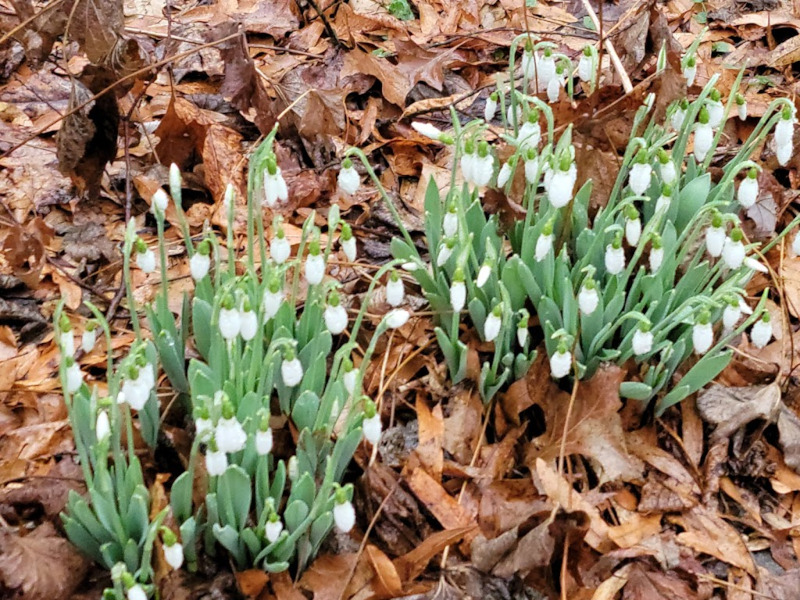
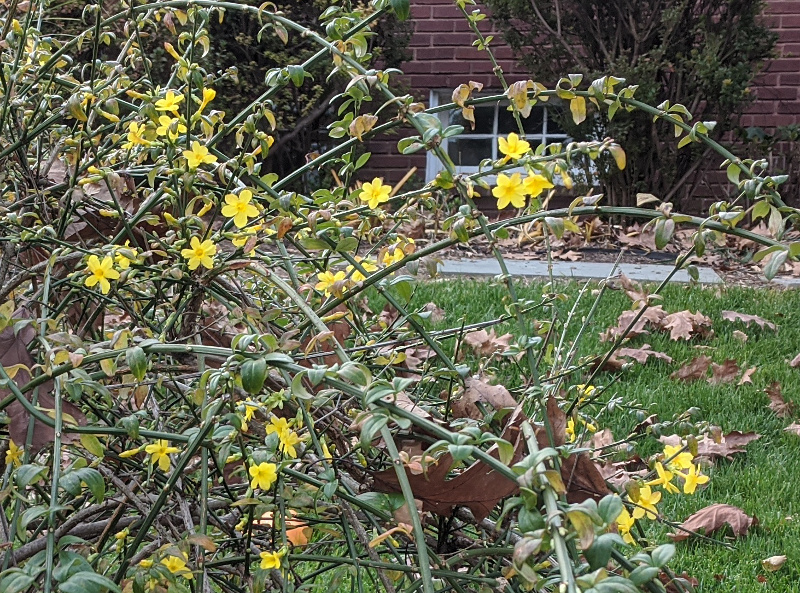
I usually see the snow drops first, then the winter jasmine, in February. Both emerged fairly early in January.
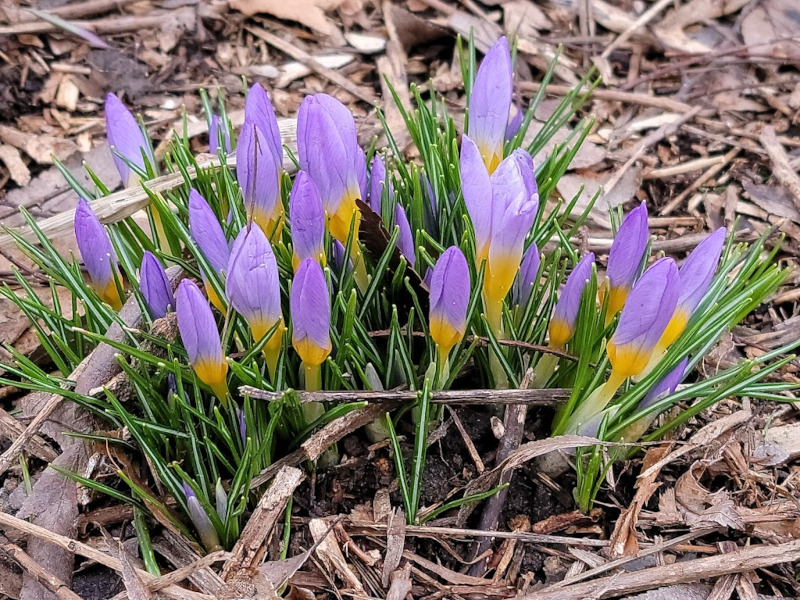
The crocuses, another February flower, are out.
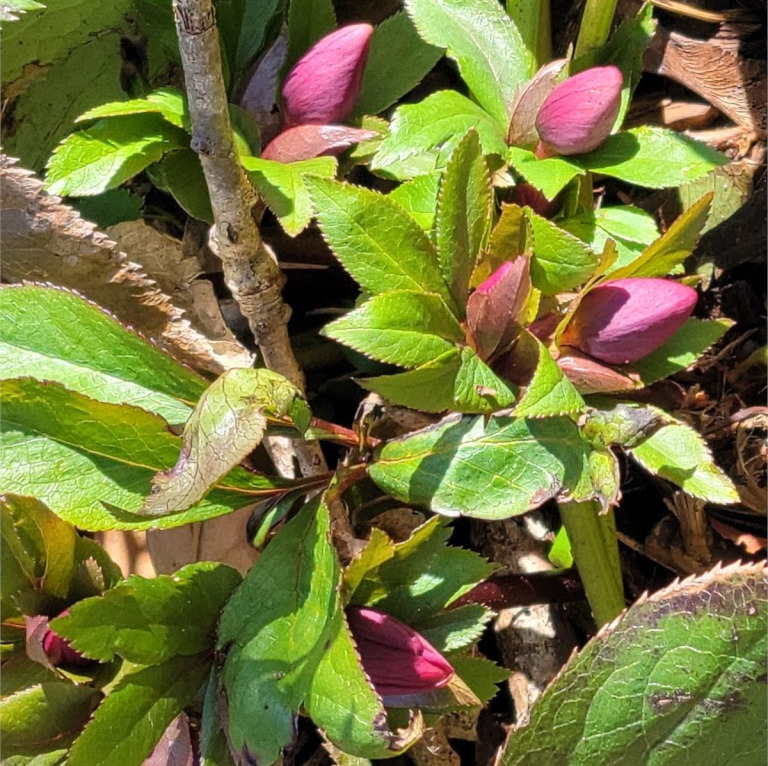
And hellebores are blossoming all over the place. The late Marjorie Rachlin informed us in 2017 that “the species grown most in Forest Hills is Heleborus orientalis (and hybrids), prized for its early bloom in February.”
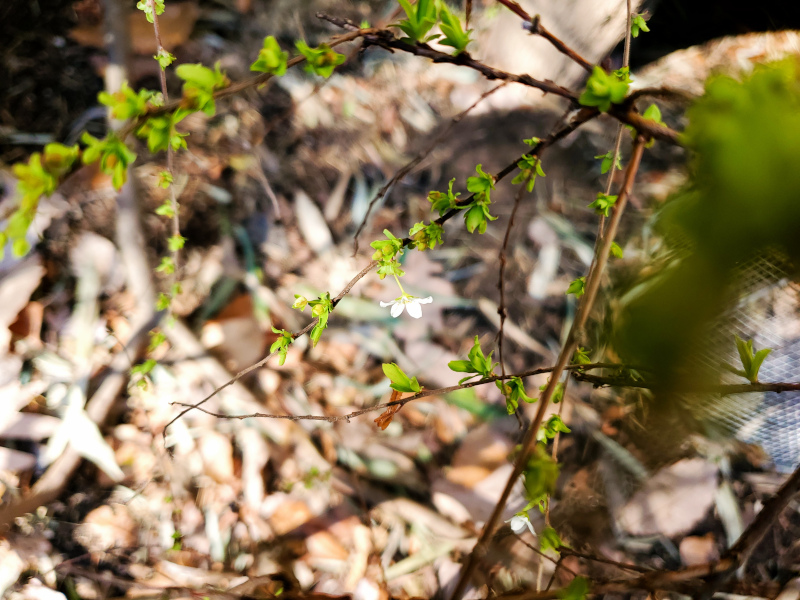
This duetsia is starting to flower.
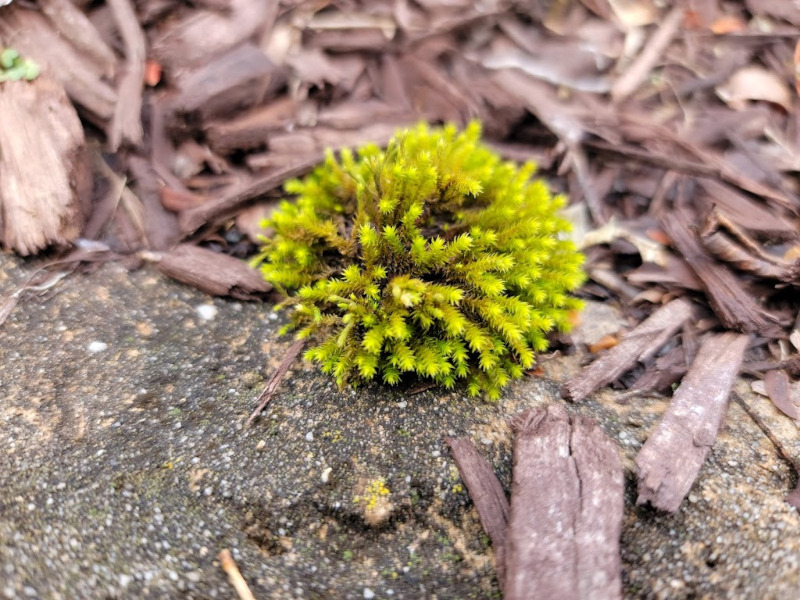
Even the moss is getting into the action with this new bunch sitting atop a rock.
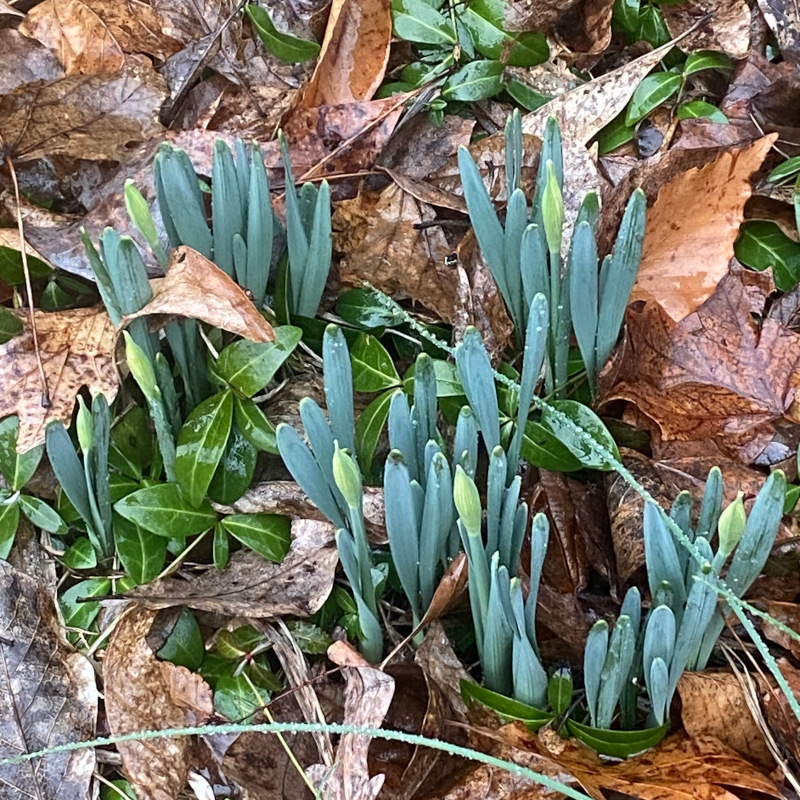
Getting ready
Daffodils are emerging, and some look like they’re close to blossoming.
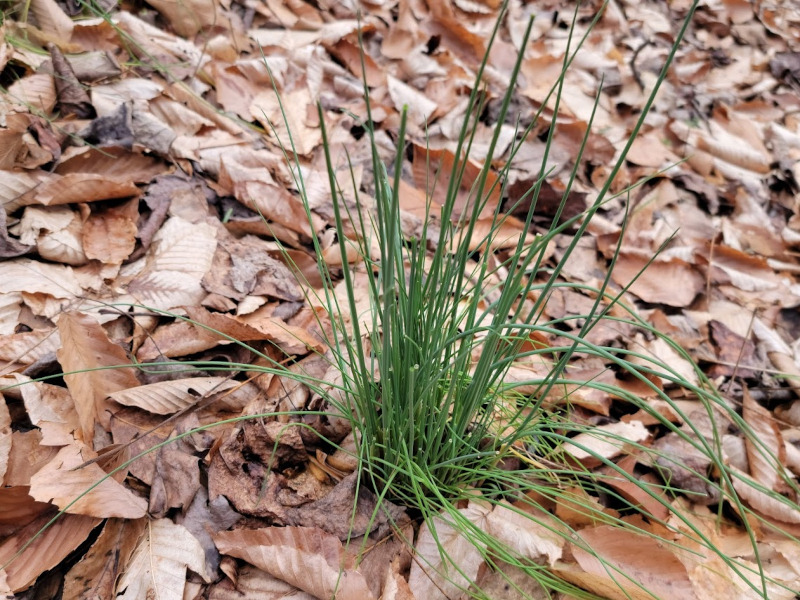
Onion grass won’t bloom for several weeks, but it’s been greening up Rock Creek Park.
Lesser celandine, an invasive plant that is crowding out natives in many parts of the park, is peeking through the fallen leaves. It will produce yellow blossoms.
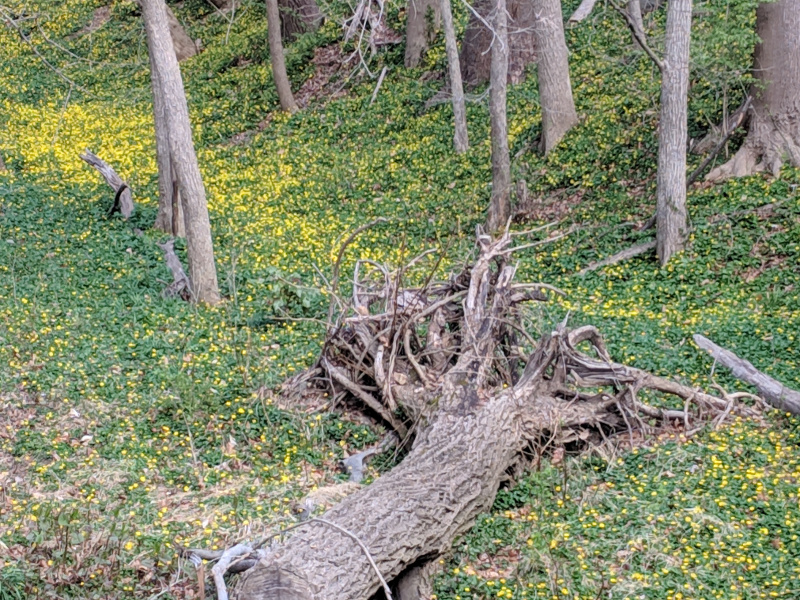
How do we know what’s normal?
Some plants and trees are encouraged to flower by the slightest hint of warmth, like this tree on 30th Street just south of Davenport. It’s been in bloom since December.
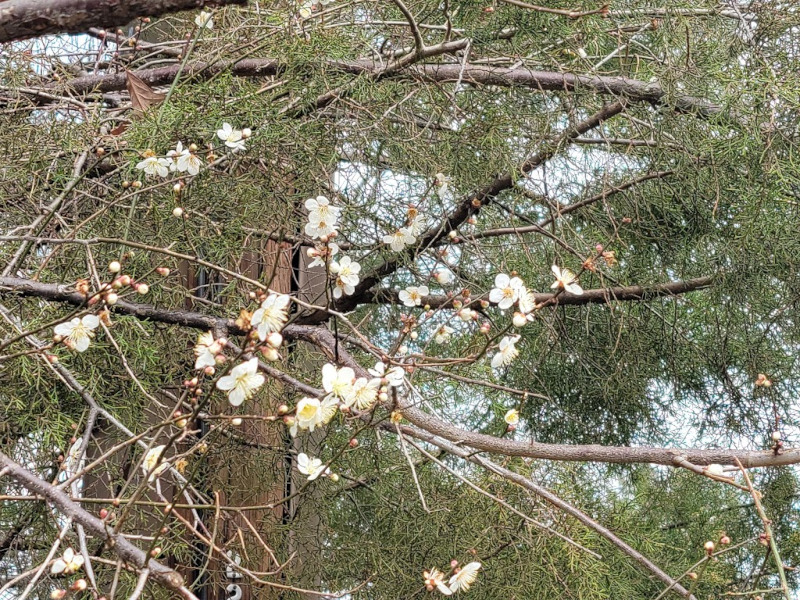
Blooming dates can vary, year to year. But Dumbarton Oaks has a handy guide, using records from 1998, which the museum and gardens says was a “typical” year.
What is blossoming or about to bloom in your garden?
Discover more from Forest Hills Connection
Subscribe to get the latest posts sent to your email.